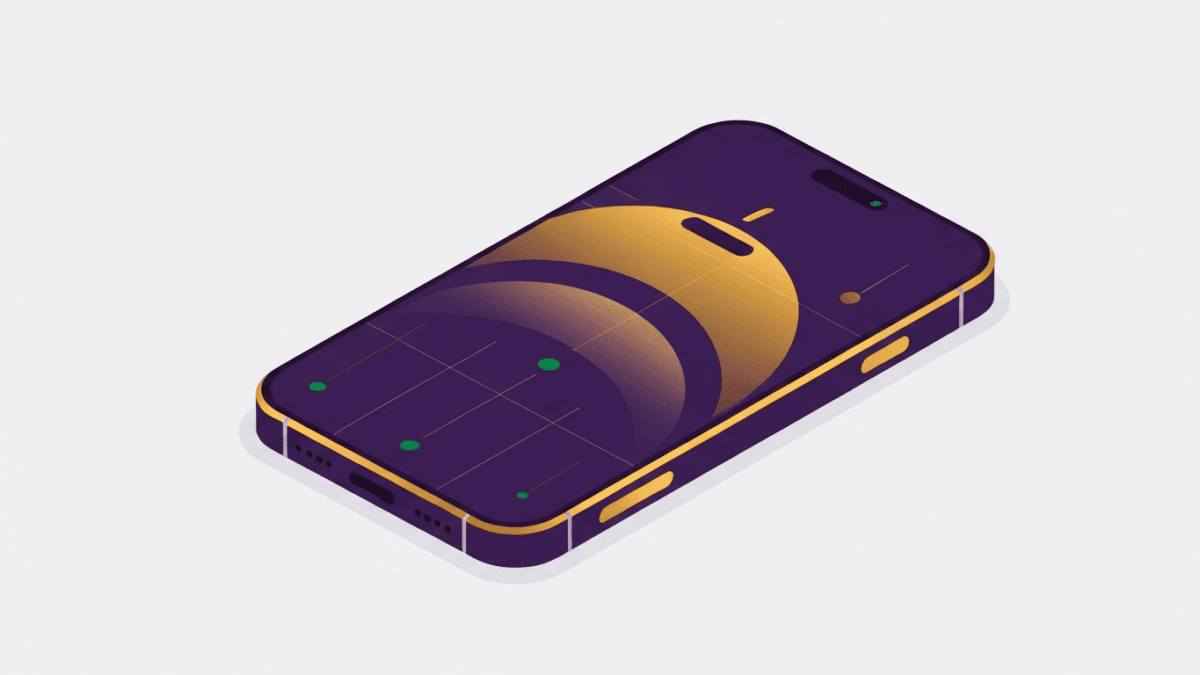
The iPhone 15 arrived as the year the standard iPhone finally caught up with the recent past. Apple moved the whole line to USB-C, brought the Dynamic Island down from the Pro models, and equipped the base phone with a 48-megapixel main camera. For anyone who had watched these features stay locked behind the pricier Pro tier, the iPhone 15 felt like an overdue and genuinely welcome democratization. It is, in many ways, the most complete standard iPhone Apple had made to that point.
And yet the iPhone 15 is also defined by what it did not change. The display is still 60Hz. Charging is still cautious. The new USB-C port, for all its convenience, moves data at old speeds on this model. None of these are dealbreakers for the average buyer, but together they draw a clear line between the standard phone and the Pro. Understanding where the iPhone 15 delivers, and where it deliberately holds back, is the key to knowing whether it is right for you.
What it does well
The switch to USB-C is the practical headline. It means one cable can charge your iPhone, iPad, MacBook and a growing pile of accessories, and it opens up standard USB-C peripherals and up to 4K/60 video output to an external display. After years of Lightning, this alone removes a daily friction for a lot of households.
The camera is the other major win. The 48-megapixel main sensor, inherited from the previous Pro generation, captures detailed, natural photos and enables a high-quality 2x crop that effectively gives you a second focal length. Paired with the 12-megapixel ultra-wide, it is a versatile, dependable system that handles everyday photography and 4K/60 video with ease. The Dynamic Island, meanwhile, turns the front cutout into a genuinely useful live-activity hub for things like timers, directions and playback.
Underneath, the A16 Bionic remains fast and efficient, comfortably handling everything from demanding apps to gaming, and it comes with the long tail of iOS updates that gives iPhones their strong resale value and longevity. The build is excellent too: a bright Super Retina XDR OLED that hits high outdoor brightness, IP68 water resistance, and Ceramic Shield glass wrapped in a comfortable, well-finished design. These are the fundamentals, and the iPhone 15 nails them.
Where it falls short
The single most-cited limitation is the 60Hz display. There is no ProMotion and no always-on mode; both stay exclusive to the Pro line. The panel is beautiful in brightness and color, but scrolling and animation are not as smooth as on many Android phones at this price, some of which moved to 90Hz or 120Hz years ago. For anyone coming from a high-refresh screen, it is immediately noticeable.
The USB-C port also comes with an asterisk. On the standard iPhone 15 it runs at USB 2.0 speeds, so while the connector is modern, moving large video files to a computer over a cable is slow. If you shoot a lot and offload frequently, this is a real inconvenience that the Pro models avoid. Charging is similarly conservative: it is capped at around 20W wired and 15W over MagSafe, and no adapter is included, so real-world top-ups are slower than on many rivals.
Two more gaps are worth flagging. There is no dedicated telephoto lens, so optical zoom is limited to that digital 2x crop, which trails Pro and competing flagships for reach. And in many regions the iPhone 15 is eSIM only, with no physical SIM tray, which can complicate travel or switching carriers for some users. None of these sink the phone, but they are the honest cost of buying the standard model rather than the Pro.
Pricing & value
The iPhone 15 is a one-time purchase that sits just below true flagship pricing, with the 128GB model opening the range and higher-storage versions costing more. Its value proposition has actually strengthened over time: now that newer iPhones exist, the 15 is frequently discounted through carriers and retailers while still receiving iOS updates for years to come. That combination of a lower effective price and a long support window makes it one of the smarter buys in Apple’s lineup for people who do not need the latest model. The main value question is internal: if you can stretch to a Pro, you gain the high-refresh display, telephoto lens and faster USB-C, so decide whether those specific upgrades justify the jump. Because carrier and trade-in deals vary widely, check current pricing before you buy to see where the 15 lands for you.
Who it’s for (and who should skip it)
The iPhone 15 is ideal for mainstream buyers who want a durable, easy-to-use phone with a great camera, USB-C, and the reassurance of long software support, and who genuinely do not mind a 60Hz screen. For upgraders coming from an iPhone 11, 12 or older, it is a substantial and satisfying leap that will feel modern for years.
You should skip it if a smooth high-refresh display matters to you, in which case the iPhone 15 Pro or a high-refresh Android is the better call. Skip it too if you need serious optical zoom, the fastest possible charging, or quick wired file transfers, since the standard model deliberately trails on all three. And if you already own an iPhone 14, the year-over-year gains, while real, are probably not worth upgrading for on their own.
The verdict
The iPhone 15 is a confident, well-rounded standard phone that finally brings several long-requested features to Apple’s base model. USB-C, the Dynamic Island and the 48-megapixel camera are meaningful, everyday improvements, and the A16 chip, excellent build and long support life make it a phone you can comfortably keep for years. The compromises are equally clear and equally honest: a 60Hz screen, USB 2.0 data speeds, modest charging and no telephoto. If none of those bother you, especially at today’s discounted prices, the iPhone 15 is very easy to recommend. If they do, the Pro exists precisely to answer them, and you will know which side of that line you fall on.